Why Are Community Meetings Still So Hard to Manage When Voice Tech Can Simplify Everything?
Have you ever left a community meeting feeling more confused than when you arrived? You're not alone. Between scribbling notes, missing key points, and struggling to keep everyone engaged, organizing these gatherings can feel like a part-time job. But what if you could capture every idea effortlessly, ensure no voice goes unheard, and follow up with confidence—simply by speaking? Let’s explore how voice-to-text technology is quietly transforming community organizing, one conversation at a time.
The Hidden Struggles of Organizing Community Activities
Running a community group—whether it’s a neighborhood watch, a school parent committee, or a local gardening club—often feels like being a part-time detective, secretary, and therapist all at once. You show up early to set up chairs, welcome people as they arrive, guide the discussion, and somehow manage to keep track of who promised to bring snacks, who will call the city council, and which volunteer needs a ride to the cleanup day. And through it all, you’re supposed to be fully present, listening with care and empathy. But how can you truly listen when your hand is cramping from note-taking?
I remember sitting in a church basement with six other women, planning a holiday meal for families in need. We were passionate and committed, but by the third week, we were already frustrated. One of us had missed a meeting and showed up with lasagna ingredients—when we’d clearly decided on turkey and sides the week before. Another had promised to call the shelter but forgot. And me? I had a notebook full of half-written sentences, arrows pointing in every direction, and one page that just said “flowers???” in big letters. We weren’t disorganized because we didn’t care—we were overwhelmed by the invisible labor of keeping everything together.
This isn’t just about messy notes. It’s about energy. Every minute spent replaying a conversation in your head, chasing down emails, or clarifying misunderstandings is a minute stolen from real connection. The truth is, many of us take on these roles because we want to make a difference, but we burn out because the tools we rely on haven’t evolved. Handwritten notes get lost. Typed summaries take hours. And in the gap between talking and acting, momentum dies. People feel unheard. Promises get dropped. And slowly, enthusiasm fades.
What if we could stop treating memory as a test of dedication? What if we didn’t have to choose between listening deeply and recording accurately? That’s where something simple—yet quietly revolutionary—comes in: voice-to-text technology. It doesn’t replace human connection. It protects it.
How Voice-to-Text Becomes Your Silent Co-Organizer
Let’s be honest—when you hear “voice technology,” you might think of smart speakers playing music or apps that transcribe your grocery list. But in the context of community meetings, this tool does something far more meaningful: it gives you back your attention. Instead of your brain juggling who said what while trying to stay engaged, you can finally just listen. The technology listens, too—and writes it all down.
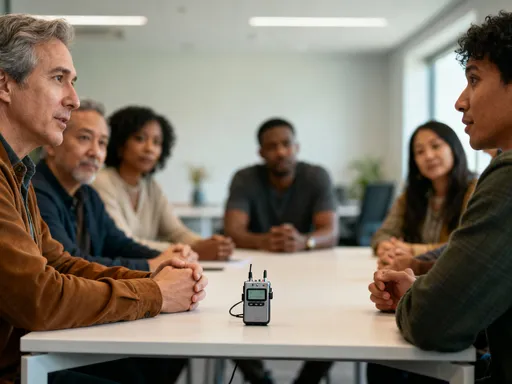
Here’s how it works, without the jargon: when someone speaks during a meeting, your phone, tablet, or a small recorder captures the audio. In real time—or shortly after—the spoken words are converted into text. That’s it. No magic, no complicated setup. Just a clear, searchable record of everything that was said. And while no tool is perfect (background noise or overlapping voices can trip it up), today’s voice-to-text systems are surprisingly accurate, especially in quiet rooms with a central device.
But the real benefit isn’t just accuracy—it’s emotional relief. Think about the last time you were in a meeting and someone said something important, but you were still writing down the last point. That split-second delay? That’s where ideas get lost. With a transcript being created as you speak, you don’t have to panic about catching every word. You can nod, make eye contact, and respond with warmth—because you know the details are safe.
And it’s not just about the organizer. It’s about everyone in the room. When you’re not the only one responsible for remembering, the whole group breathes a little easier. One woman I spoke with, who leads a book club for busy moms, told me, “I used to dread taking notes because I’d miss the laughter, the little comments that made the night special. Now, I can enjoy the moment—and still have a record of what we decided.” That’s the quiet power of this tech: it doesn’t make meetings flashy. It makes them human.
Turning Speech into Action: From Ideas to Follow-Up
One of the most heartbreaking things in community work is when energy fizzles out after a great meeting. Everyone leaves inspired—“We’re going to plant a garden!” “We’ll start a food drive!”—but by the next week, no one remembers who was supposed to do what. The spark fades, not because people don’t care, but because the follow-up feels overwhelming.
That’s where voice-to-text shifts from helpful to essential. Once a conversation is captured in text, it becomes a living document. You can go back and pull out action items with clarity. No more guessing. No more “I thought you were going to handle that.” You can highlight decisions, assign names, and even send a summary to the group the same day. And because the transcript includes context—why a decision was made, what concerns were raised—it’s easier to stay aligned.
Take the example of a community garden project in a mid-sized city. The group had met for months with little progress. People had ideas, but nothing stuck. Then, one member suggested using her phone to record their discussion. After the meeting, she shared a transcript with key points bolded. Suddenly, it was clear: Maria would contact the city about permits, James would gather tools, and three others committed to weekend workdays. Because everyone could see the record, accountability wasn’t personal—it was shared.
Within six weeks, the first beds were built. Was it the technology alone? No. But it was the technology that turned talk into traction. One participant said, “It felt like we were finally speaking the same language. No more repeating ourselves. No more frustration.” That’s the power of moving from speech to action—not just recording words, but making them matter.
Inclusivity Made Easier: Giving Everyone a Voice
Community meetings should be spaces where every voice matters. But let’s be real—not everyone feels comfortable speaking up, especially in fast-moving conversations. Some people process thoughts more slowly. Others are non-native speakers who need a little extra time to follow along. And some are simply shy, waiting for the “right” moment to contribute—only to have the topic move on.
When we rely only on memory and real-time note-taking, we risk leaving these voices behind. But when we use voice-to-text, we create a more level playing field. A transcript means that even if someone didn’t speak loudly or quickly, their words are preserved with the same weight as anyone else’s. And for those who need time to reflect, being able to read the discussion later is a game-changer.
I spoke with a woman named Lila, who joined a neighborhood safety group but rarely spoke during meetings. “I’d think of something to say,” she told me, “but by the time I worked up the courage, the conversation had moved on. I felt invisible.” Then, the group started sharing transcripts. Lila began reading them at home, jotting down her thoughts, and sending them before the next meeting. “For the first time,” she said, “I felt like I was really part of it.”
And it’s not just about participation. It’s about trust. When people know their words will be recorded accurately—not filtered through someone else’s interpretation—they’re more likely to speak honestly. One school volunteer group noticed a shift when they started using transcripts: quieter parents began sharing concerns about after-school programs, knowing their feedback wouldn’t be forgotten or misquoted. The result? Better decisions, more diverse input, and stronger buy-in from the whole community.
Practical Tips for Using Voice-to-Text in Group Settings
I know what you might be thinking: “This sounds great, but how do I actually start? What if it’s too complicated? What if people feel uncomfortable being recorded?” These are valid concerns—and the good news is, getting started doesn’t have to be hard.
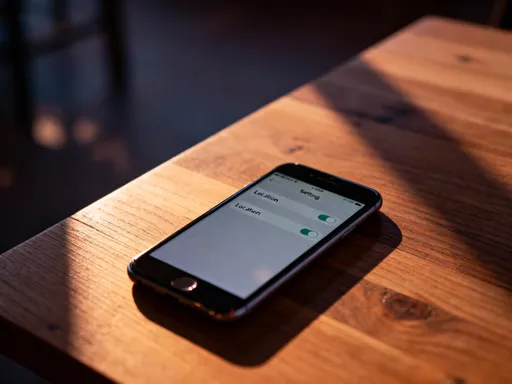
First, keep it simple. You don’t need special equipment. Most smartphones have built-in voice-to-text features. On an iPhone, you can use the Notes app with dictation. On Android, Google Keep or Recorder apps work well. Just place the phone in the center of the table, screen down, so it’s not distracting. If you’re in a larger room, a small digital recorder with a good microphone can help capture voices from all corners.
Next, talk to your group. Don’t just turn on the recorder without explaining. Say something like: “I’d like to try using voice-to-text to help us keep track of our ideas and decisions. It’ll help us follow up more easily and make sure no one’s input gets lost. The recording will only be used for our group, and I’ll delete it after we’ve made the summary.” Most people appreciate the transparency.
Start small. Try it in one meeting and ask for feedback. You might say, “How did it feel knowing we were recording? Did it help or distract?” Be open to adjusting. Some groups prefer to record only the discussion part, not the casual chat at the beginning. Others like to review the transcript together before finalizing action items.
And don’t worry about perfection. The goal isn’t a flawless transcript—it’s a clearer record than what you had before. If the tech misses a word or two, that’s okay. You’ll still have the gist. Over time, you’ll learn little tricks: speak a little more slowly, take brief pauses between speakers, and avoid talking over each other. These small changes don’t just help the technology—they improve the quality of the conversation itself.
Building Trust and Transparency Through Shared Records
One of the quiet crises in community groups isn’t conflict—it’s misunderstanding. Someone remembers a decision one way, someone else another. Assumptions are made. Feelings get hurt. And before you know it, a minor disagreement turns into a rift that weakens the whole group.
Shared transcripts can stop this before it starts. When everyone has access to the same record, there’s less room for “he said, she said.” You can say, “Let’s check what was said,” instead of arguing about memory. This isn’t about policing—it’s about peacekeeping.
A parents’ association I worked with had recurring tension around budget decisions. One year, two members got into a heated exchange because one believed the group had agreed to fund a field trip, while the other insisted they hadn’t. The argument dragged on for weeks—until someone suggested reviewing the meeting transcript. It turned out, the group had discussed the trip but hadn’t voted. Once they saw the text, the tension dissolved. “We weren’t disagreeing about values,” one parent said. “We were just remembering differently. The transcript saved our friendship.”
When people know the record is fair and accessible, they feel safer. They’re more likely to speak up, take responsibility, and stay involved. And over time, this builds something priceless: trust. Not the kind that comes from promises, but the kind that comes from consistency, clarity, and respect.
Looking Ahead: Smarter, Calmer, and More Connected Communities
Technology often gets framed as cold or impersonal. But when used with care, it can actually deepen our humanity. Voice-to-text doesn’t replace the warmth of a shared meal after a meeting, or the comfort of a long-time member offering advice. It simply clears the clutter so those moments can shine.
Imagine a future where community meetings aren’t dreaded, but anticipated. Where people leave not with a headache, but with a sense of purpose. Where the organizer isn’t exhausted, but energized. This isn’t a fantasy—it’s already happening in living rooms, church basements, and school halls across the country.
The most powerful change isn’t in the tool itself, but in what it frees us to do. It gives us back our attention, so we can truly listen. It gives us back our time, so we can focus on people, not paperwork. And it gives us back our confidence, so we know our efforts are leading somewhere.
You don’t need to be a tech expert to start. You just need to care. And if you’re reading this, you already do. So why not try it? Next time your group meets, bring your phone. Place it gently in the center. Press record. And then—look up, smile, and really listen. Because the most important part of any meeting isn’t what’s said. It’s how we hold space for one another. And sometimes, the best way to do that is with a little help from technology.