Tired of Missing Out on Rewards You Actually Want? Your Membership Perks Finally Get Personal
Ever felt like your loyalty points vanish into thin air—unused, forgotten, or just not worth the hassle? You’re not alone. So many of us collect memberships, subscriptions, and reward points across stores, apps, and services, only to realize too late that we’ve missed the benefits we truly care about. What if your membership could adapt to your life—not the other way around? Today, I’ll walk you through how smart personalization is quietly transforming loyalty programs from rigid perks into flexible, life-friendly advantages that feel like they were made just for you.
The Frustration of One-Size-Fits-All Membership Perks
Let’s be honest—how many times have you looked at your loyalty app and thought, “Wait, I don’t even want this”? You’ve been collecting points for months, maybe even years, and the only reward available is a free hotel night when you haven’t traveled in ages. Or maybe you get a “special offer” for a fancy steak dinner, but you’ve been cooking plant-based meals at home for your family. It’s not just inconvenient—it’s a little disheartening. You put in the effort, but the system doesn’t seem to notice who you really are.
I remember when I first signed up for a popular grocery rewards program. I was excited—finally, a way to save on the weekly shop! But after a few months, I had enough points for a free bottle of wine. Now, don’t get me wrong—I enjoy a glass now and then—but what I really needed was help with diapers or school supplies. The reward felt like a pat on the back that missed the mark completely. And I know I’m not the only one. So many women I talk to—moms, caregivers, busy professionals—tell the same story: we’re loyal, we spend, we participate… but the rewards don’t reflect our real lives.
This mismatch isn’t just annoying—it has real consequences. Studies show that nearly 60% of loyalty points go unredeemed every year, not because people don’t care, but because the rewards don’t matter to them. That’s billions of dollars in value, lost simply because the system assumes we’re all the same. And over time, that disconnect makes us stop paying attention. We stop checking our apps. We stop caring. We let the points pile up until they expire, and we feel a quiet sense of defeat, like we failed at something we never even agreed to play.
But here’s the truth: it’s not us. It’s the system. For years, loyalty programs were built on broad assumptions—“people like discounts,” “everyone loves travel,” “free coffee is always a win.” But life isn’t one-size-fits-all. Our needs shift with our seasons: busy school years, tight budgets, new health goals, empty nests. When a rewards program doesn’t adapt, it doesn’t feel like a perk. It feels like noise.
How Personalization Brings Memberships Back to Real Life
Now, imagine a different kind of loyalty program—one that pays attention. One that notices you buy almond milk every week, or that you always shop on Sunday evenings, or that you’ve been adding yoga mats and resistance bands to your cart. What if, instead of pushing irrelevant deals, it quietly started offering points toward your next plant-based meal kit or a discount on a home fitness class? That’s not science fiction. That’s personalization—and it’s already reshaping how we experience membership benefits.
At its core, personalization means using harmless, everyday data to make your experience more meaningful. Think of it like your favorite coffee shop barista—the one who remembers you like oat milk and an extra shot. No big deal, right? But it feels good because it shows they see you. Modern loyalty systems work the same way, just at a larger scale. They look at patterns—what you buy, when you shop, how you interact with the app—and use that to suggest rewards that actually fit your life.
The technology behind it isn’t magic. It’s based on algorithms, yes, but not the cold, robotic kind. These are designed to learn, gently and respectfully, what matters to you. And the best part? You’re always in control. No one’s tracking your private conversations or digging into your personal history. It’s about behavior, not biography. Did you switch from frozen meals to fresh produce? The system notices—and adjusts. Did you start buying baby formula? Suddenly, your points unlock diapers, wipes, and parenting guides. It’s not about surveillance. It’s about service.
And the results? People who use personalized programs are twice as likely to redeem their rewards. Why? Because the offers finally make sense. One mom I spoke with told me she used to ignore her retail app—until it started suggesting school supplies in August and cozy pajamas in December. “It’s like they finally got me,” she said. That’s the power of personalization: it turns a generic program into a quiet companion that walks beside you through life’s changes.
Flexibility as a Form of Emotional Relief
Let’s talk about something we don’t say enough: how much emotional weight small things can carry. A missed reward might seem trivial, but when you’re juggling work, family, and a million little tasks, it can feel like one more thing that didn’t go your way. That’s why flexibility in loyalty programs isn’t just a nice feature—it’s a form of emotional relief.
Picture this: you’ve been saving points for a weekend getaway. You’ve been looking forward to it for months. Then, last minute, your child gets sick. The trip is off. In an old-style loyalty program, your points might be locked into that specific reward—use them for the hotel or lose them. But with a personalized system, you can shift them. Maybe you trade that weekend for a movie night bundle—streaming credits, popcorn, a digital kids’ activity kit. The joy isn’t in the points. It’s in the freedom to change your mind without penalty.
Or think about those tight weeks when the budget is stretched. You’re skipping extras, cutting back where you can. Now imagine opening your app and seeing a targeted offer: 20% off your favorite frozen vegetables, or bonus points on bulk pasta. It’s not a flashy ad. It’s support. It’s someone—well, something—saying, “I see you’re being careful. Let me help.” That kind of recognition can lift a small weight off your shoulders.
Flexibility also means timing. Life doesn’t run on a corporate calendar. But many loyalty programs do—sending birthday rewards in the wrong month, or pushing back-to-school deals after school has already started. Personalized systems fix that. They learn your rhythm. If you always buy school supplies in late July, that’s when the offers appear. If you shop for holiday gifts online in November, the early-bird deals show up then. It’s not just convenient. It feels like being understood.
And let’s not underestimate the power of control. When life feels chaotic, having even a small sense of agency matters. Being able to swap, pause, or redirect your rewards gives you back a piece of that control. It’s not about getting more. It’s about feeling less stressed.
Turning Data Into Care, Not Surveillance
I know what some of you might be thinking: “Wait—aren’t they watching me?” It’s a fair question. We’ve all heard stories about data misuse, creepy ads that follow us across the internet, and companies that seem to know too much. So let’s clear the air: personalization done right is not surveillance. It’s care—care built on patterns, not prying.
Responsible platforms don’t store your name with your shopping habits. They don’t link your loyalty account to your private emails or social media. Instead, they use anonymized data—meaning your identity is protected, but your preferences are still recognized. It’s like being a regular at a café. The barista knows your order, but they don’t know your salary or your medical history. That’s the balance: useful without being invasive.
Transparency is key. The best loyalty programs let you see what data they’re using and give you simple tools to adjust it. You can say, “I don’t want parenting offers anymore,” or “I’d rather get fitness rewards.” One tap, and it changes. No fine print, no endless menus. It’s like setting your own rules.
And here’s something important: you don’t have to opt in blindly. Most systems ask for permission first. They explain, in plain language, how your data will be used and how it benefits you. It’s not about tricking you into sharing—it’s about inviting you into a better experience. Think of it like giving your hairstylist a photo of a cut you like. You’re sharing information to get a better result, not because you’re being watched.
When done ethically, personalization builds trust. It shows that a brand isn’t just trying to sell you something—it’s trying to support you. And for busy women managing households, that trust is priceless. We don’t have time to decode hidden agendas. We want honesty, simplicity, and respect. And when a loyalty program delivers that, we notice. We stay. We engage. We feel valued.
Practical Steps to Customize Your Membership Experience
Okay, let’s get practical. You’re sold on the idea—but how do you actually make it work for you? The good news: it’s easier than you think. You don’t need to be a tech expert. You just need a few quiet minutes and your phone.
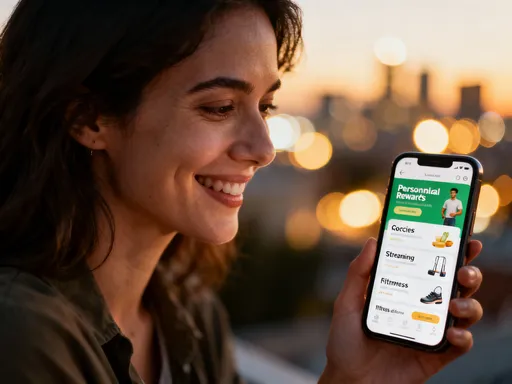
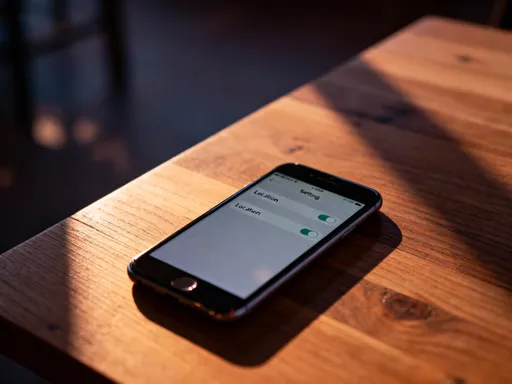
Start by opening your favorite loyalty app—the one for your grocery store, pharmacy, or department retailer. Tap on your profile or settings. Look for a section called “Preferences,” “Interests,” or “Personalization.” This is where you take back control. You might see categories like “Family & Kids,” “Health & Wellness,” “Home & Kitchen.” Select the ones that fit your life right now. If you’re focused on fitness, check that box. If you’re meal prepping for picky eaters, choose “Family Meals.”
Next, look for a “Manage Notifications” or “Offer Settings” option. This lets you decide how often you hear from the app and what kind of deals you see. Maybe you don’t want weekend promotions—just weekly grocery alerts. Or maybe you’d love seasonal tips, like holiday recipe ideas or back-to-school checklists. You can usually turn these on or off with a single tap.
Some apps even let you link your purchase history to your goals. For example, if you buy reusable bags regularly, you might get rewarded for eco-friendly choices. If you scan organic produce, you could unlock discounts on other healthy items. It’s not about tracking you—it’s about rewarding the habits you already have.
And don’t forget to revisit these settings every few months. Life changes. So should your preferences. A quick five-minute check-in can keep your rewards feeling fresh and relevant. Think of it like changing your wardrobe with the seasons—your loyalty program should dress for your current life, not last year’s.
When Life Changes, Your Perks Should Too
Life doesn’t stand still. Kids grow. Careers shift. We move homes, change diets, take on new hobbies. And yet, so many loyalty programs act like we’re frozen in time. That’s starting to change. The next generation of personalized systems isn’t just reactive—it’s adaptive. It grows with you.
Imagine this: you’ve been earning fitness rewards for gym classes. Then, you move to a smaller town with no gym nearby. Instead of losing value, your account notices the shift. It starts suggesting home workout gear, online yoga subscriptions, or even wellness books. The goal isn’t to lock you into one path—it’s to support your journey, whatever direction it takes.
Or think about family life. When your kids were toddlers, your rewards might have focused on diapers and baby food. Now they’re in middle school, and your needs are different. A smart system picks up on that. It starts offering points toward school supplies, sports equipment, or family movie nights. It doesn’t forget your past—it builds on it.
Even big life events, like a new job or a health challenge, can be reflected in your rewards. If your shopping patterns shift toward quick lunches or home office supplies, the program can adapt. Maybe you get a discount on a meal delivery service during a busy project, or bonus points on a standing desk. It’s not about predicting your future—it’s about responding to your present.
This kind of continuity makes loyalty feel human. It’s not a transaction. It’s a relationship. And like any good relationship, it evolves. The best tech doesn’t force you to fit its mold. It molds itself to you.
The Quiet Revolution Making Loyalty Feel Human Again
When we think of technology, we often imagine flashy gadgets, complex apps, or futuristic promises. But the most powerful tech isn’t the loudest. It’s the kind that works so quietly, so seamlessly, that you barely notice it—until you realize how much easier life has become.
That’s what’s happening with personalized loyalty programs. This isn’t about earning more points. It’s about earning meaning. It’s about opening an app and feeling seen. It’s about getting a reward that actually fits—because it was shaped by your life, not a corporate template.
For women who manage homes, care for families, and navigate constant change, this shift matters. It’s not just about saving money—though that helps. It’s about saving mental energy. It’s about reducing the friction in daily life. It’s about feeling supported, not sold to.
The future of loyalty isn’t gold tiers or exclusive events. It’s feeling understood. It’s knowing that the systems in your life aren’t just tracking you—they’re learning from you, growing with you, and quietly making room for what matters most.
So the next time you open your loyalty app, take a moment. Adjust your preferences. Explore what’s possible. You might be surprised by how much more it can offer—when it finally feels like it was made for you.