Organized 3 Years of Family Memories in One Weekend: How Motion Sensors Made It Effortless
Remember that feeling when you lose a precious moment—your child’s first steps, a quiet laugh between grandparents, a spontaneous dance in the kitchen? I did too—until I discovered an unexpected helper: motion detection devices. What started as a simple way to feel safer at home quietly transformed into a powerful tool for preserving what matters most. It’s not about surveillance—it’s about storytelling, memory, and family. Let me show you how small tech changes brought big heart to our daily life.
The Cluttered Closet of Forgotten Moments
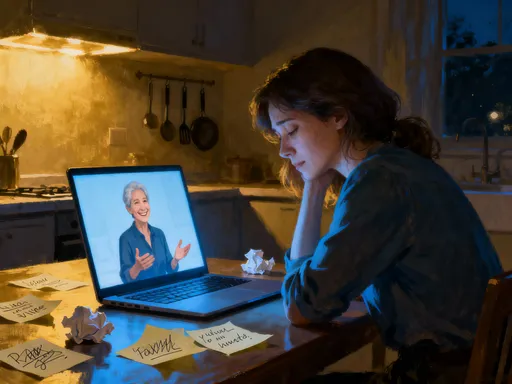
Have you ever opened your phone’s photo gallery and felt a wave of guilt? I have. Hundreds of videos, most of them blurry, half-recorded, or forgotten. There’s the clip of my daughter singing in the bath—cut off mid-laugh because I got distracted by a dripping faucet. Or the time my dad told that same old fishing story at Thanksgiving, and I meant to film it but never hit record. We all want to remember, but the truth is, we’re too busy living to remember to capture.
I used to think I just needed more discipline—better habits, stricter rules about putting my phone away or backing up files. I bought fancy cloud storage, labeled folders with names like "Summer 2021 - Beach Trip" and "Birthday Party - Maya Turns 6." But life kept happening faster than I could organize it. The videos piled up. The moments faded. I wasn’t lazy—I was overwhelmed. The real problem wasn’t my memory. It was the sheer volume of life rushing by, unrecorded and unsorted.
And it wasn’t just me. I talked to other moms at school pickup, and they felt the same. We weren’t failing as keepers of family history. We were just using tools that weren’t built for real life. Cameras need someone to press play. Phones run out of battery. Memories don’t come with reminders. What if, instead of chasing moments, we could let them find us? That’s where I started to rethink everything—not with a new app, but with a tiny device I’d originally bought for an entirely different reason.
A Tiny Device That Noticed What We Didn’t
It began with a small white box I mounted near our front door. I bought it for peace of mind—something to let me know if a package was stolen or if the kids left the garage door open. Motion sensor. Night vision. That kind of thing. I didn’t think of it as a memory keeper. But one evening, I got a notification: "Motion detected in kitchen." I tapped it out of habit and saw my son, barefoot in pajamas, pouring himself a glass of water. He was humming. Not performing. Not posing. Just being. I watched it three times. I hadn’t even known this moment existed.
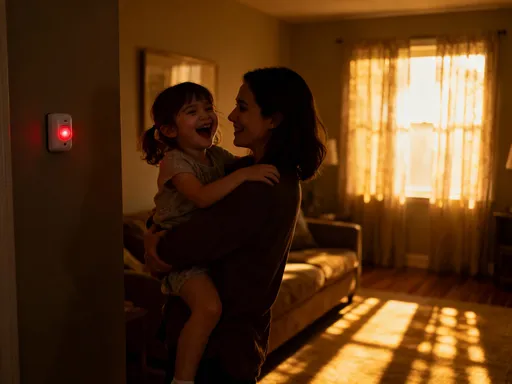
That’s when it hit me: this little device wasn’t just watching for intruders. It was witnessing life. While I was folding laundry or answering emails, it was catching the quiet magic—the way my daughter twirls when she thinks no one’s looking, the way my husband dances while scrambling eggs, the way the dog jumps at the sound of the treat jar. These weren’t big events. They were tiny, tender threads of ordinary love. And they were being recorded—effortlessly—because the camera only turned on when someone moved.
I started checking the clips more often. Not out of suspicion, but curiosity. What had I missed? One morning, I found a 30-second video of my mom helping my son tie his shoes. She lives three states away now. I didn’t remember her doing that. But there it was—her hands, his laces, her voice saying, "You’ve almost got it." I saved it. Then another. And another. I wasn’t collecting evidence. I was collecting moments. The device wasn’t replacing me as a parent or a memory keeper. It was supporting me—like a second pair of eyes that never got tired.
From Security Footage to Family Archive
At first, I worried about sifting through hours of blank clips—empty hallways, the cat walking by, the fridge opening and closing. But modern motion sensors are smarter than that. With a few simple settings, I could filter out small movements, set recording zones, and even enable person detection so the camera only saved clips when a human was in frame. No more false alerts from a swaying curtain or a passing car. Just meaningful activity.
And here’s the real game-changer: time-stamped, automatically labeled recordings. Every clip came with a date, a time, and sometimes even a location tag. I could search "Maya laughing" and find clips from different rooms and days. I could pull up all the footage from last Christmas Eve or the morning of her first day of school. What used to take hours of scrolling now took seconds. I started organizing them not by date, but by feeling—"Moments of Joy," "Quiet Connections," "Silly Mornings."
I used a cloud storage service with smart tagging—nothing fancy, just one that learns from how you label things. Over time, it started suggesting categories on its own. "Family meals," "Bedtime routines," "Pet moments." I created shared albums and invited my parents and siblings to view them. My mom printed a few and put them in a frame. My sister watched the same clip of our nephew blowing out candles three times in one night. This wasn’t surveillance footage anymore. It was a living family album—one that grew on its own.
How We Built a “Memory Flow” at Home
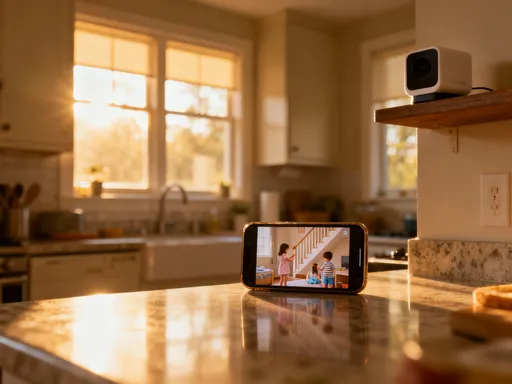
So how do you turn this into a real system? It’s simpler than you think. We started by placing small, discreet cameras in three key areas: the living room, the kitchen, and the hallway outside the kids’ rooms. Not in private spaces—never bedrooms or bathrooms. We made that rule clear from the start. This wasn’t about watching. It was about remembering.
We set the cameras to record only when motion was detected and to save clips to a private cloud folder. Every Sunday night, for about ten minutes, we’d gather in the living room and watch a few clips from the week. At first, the kids thought it was weird. "Why are we watching ourselves eat cereal?" But soon, it became a ritual. They’d laugh at how messy breakfast was, or point out how the dog tried to steal toast again. We started calling it "Memory Night."
Over time, we built a rhythm. Clips were automatically backed up. We created folders for milestones—first day of school, holidays, family game nights—but also for ordinary Tuesdays. Because sometimes, the most touching moments aren’t the ones with decorations and cameras. They’re the ones where someone hugs you for no reason, or a child whispers a secret before bed. The motion sensors caught those too. We didn’t have to plan them. We just had to be present—and let the technology do the remembering.
The Emotional Payoff: More Than Just Videos
One rainy afternoon, my daughter asked to watch old videos. I pulled up a clip from two years ago—her, in a tiny raincoat, jumping in a puddle, shrieking with joy. She watched it quietly, then said, "I forgot I used to jump so high." That hit me. She wasn’t just seeing herself. She was remembering who she was—and how much she’s grown.
But it wasn’t just for the kids. My husband and I started watching clips from early parenthood—those sleep-deprived mornings, the way we used to dance in the kitchen while waiting for the coffee to brew. We’d forgotten how tender those days were, buried under the stress of diapers and deadlines. Seeing them again softened us. We started talking more about those years, not with exhaustion, but with gratitude.
And for my parents? It’s been a gift. They don’t get to see the kids every week. But they can log in and watch a clip of their grandson reading a book aloud or their granddaughter teaching the dog a new trick. It’s not the same as being here—but it’s close. One night, my mom called me in tears after watching a clip of the kids singing "Happy Birthday" to her over Zoom. "I felt like I was right there," she said. That’s the real power of this—not just preserving memories, but keeping people connected across time and distance.
Simple Setup, No Tech Stress
I know what you’re thinking: "I’m not a tech person." Neither am I. I don’t code. I don’t tinker. I just wanted to feel safer—and maybe capture a few moments along the way. The good news? You don’t need to be an expert. Most of these devices are designed for people like us—parents, caregivers, busy humans who want simplicity.
Here’s how we did it: we bought two plug-and-play cameras. No wiring. No drilling. Just plug them in, connect to Wi-Fi, and position them where they’ll catch the most life—without invading privacy. We used the brand’s app, which walks you through setup with clear, step-by-step instructions. Within an hour, they were running.
We set privacy modes—like turning off recording during certain hours or when we’re home and active. We also made sure the kids understood what the cameras were for. We even let them help choose which clips to save. One night, my son said, "Save this one—it’s when we all laughed because Dad spilled the popcorn." That became a favorite. Involving them didn’t make it feel intrusive. It made it feel like a family project.
And the best part? Once it’s set up, it runs on its own. No daily effort. No nagging reminders. Just a quiet, consistent presence that captures what matters—so you don’t have to.
A New Kind of Family Legacy
Three years ago, I spent a weekend trying to organize old videos. I cried over lost moments, over broken files, over the fear that I’d failed to preserve our story. Last weekend, I spent two hours doing the same thing—but this time, I wasn’t digging through chaos. I was curating a treasure. Clips were already sorted. Memories were labeled. The hard work had been done, quietly, in the background, by a few small devices that simply noticed when life was happening.
This isn’t about having the fanciest gadgets or the most storage. It’s about using technology in a way that serves your heart. Motion sensors didn’t change my family. But they did help me see it more clearly. They reminded me to notice the small things—the way my daughter still holds my hand when she’s tired, the way my husband smiles when he thinks no one’s looking.
In a world that moves too fast, this is my act of resistance. Not to capture every second, but to honor the ones that matter. These aren’t just videos. They’re proof of love, of growth, of the quiet beauty of ordinary days. And one day, when my kids are grown, I hope they’ll watch these clips and feel what I feel now: that they were seen. That they were cherished. That they were home.