More than spreadsheets: How online tools helped me wind down and sleep better
You know that restless feeling when your brain won’t shut off at bedtime? I used to lie there, mentally replaying unfinished tasks, worrying about tomorrow’s to-do list. Then I discovered something unexpected: using online spreadsheet tools in the evening didn’t stress me out—it actually calmed me. By organizing my thoughts digitally, I found a surprising sense of peace. This isn’t about productivity for the sake of hustle. It’s about creating quiet, clarity, and comfort when it matters most—before sleep. And honestly, it’s changed everything.
The Bedtime Mental Load: Why We Can’t Switch Off
Have you ever noticed how your mind seems to wake up just as you’re trying to fall asleep? One minute you're turning off the lamp, the next you're mentally drafting an email you forgot to send, wondering if the kids’ school forms were signed, or realizing you never confirmed the vet appointment. It’s not that we’re bad at managing our days—it’s that our brains are wired to seek closure. When the day ends with loose ends, our nervous system stays on high alert, as if saying, "We can’t rest yet—there’s still work to do." This isn’t just annoyance. It’s emotional weight. And over time, it chips away at our sleep, our mood, and even our sense of control.
For years, I thought this was just part of being a busy woman—juggling home, family, and personal goals. I’d try reading, meditating, even drinking chamomile tea, but my mind would still race. The problem wasn’t lack of effort. It was lack of a real system to offload the mental clutter. I didn’t need more motivation. I needed a place to put all those swirling thoughts so they wouldn’t keep spinning inside my head. What I didn’t expect was that the solution wouldn’t come from a meditation app or a sleep tracker—but from something I once associated with work stress: an online spreadsheet.
Accidentally Finding Calm: My First Night Using a Spreadsheet Before Bed
It started on a particularly overwhelming Tuesday. I had meetings all day, cooked dinner, helped with homework, and still had half the laundry waiting. As I climbed into bed, my mind lit up like a dashboard: Did I reply to the teacher’s note? Did I pack the gym bag for tomorrow? What time is the dentist again? I reached for my phone, not to scroll, but to open a simple online spreadsheet I’d made weeks earlier for meal planning. On a whim, I created a new tab and typed: "Tomorrow’s To-Dos."
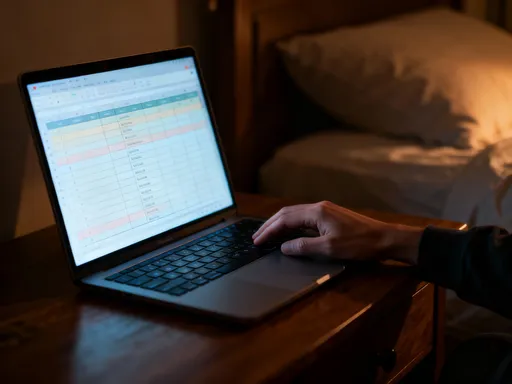
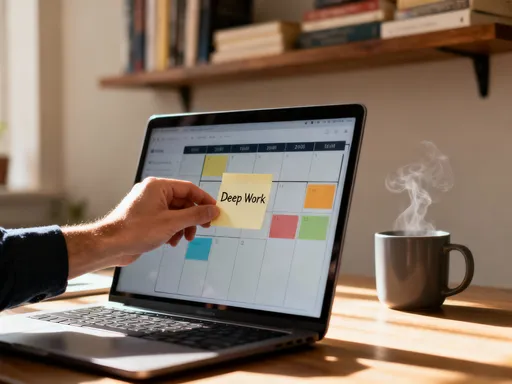
One by one, I listed the things nagging at me. Nothing fancy—just plain text in cells. I added a column for priority: "Urgent," "Can Wait," "Nice to Do." Then I color-coded them—soft blue for low stress, light yellow for medium, pale pink for things that really needed attention. When I hit save, something shifted. It wasn’t magic. But for the first time in weeks, I felt… light. Those thoughts were no longer floating in my brain like uninvited guests. They were on the screen, organized, seen, and contained. I didn’t solve anything that night. But I gave my mind permission to rest. I fell asleep faster than I had in months. The next morning, I didn’t dread the list—I felt prepared. That small act of digital tidying didn’t just organize my day. It gave me back a sense of calm I didn’t know I’d lost.
From Chaos to Order: How Structure Creates Emotional Comfort
Here’s something we don’t talk about enough: order feels safe. Think about it. When your kitchen is clean, you breathe easier. When your closet is organized, getting dressed is simpler. Our environment shapes our inner state. The same is true for our thoughts. When everything is jumbled in our heads, it creates a low-level anxiety—a constant hum of "what did I forget?" But when we move those thoughts out of our minds and into a structured format, something powerful happens. We create what psychologists call cognitive offloading—a way to free up mental space by using external tools.
An online spreadsheet becomes an external brain. It holds what you don’t have to hold anymore. And the beauty of it is that you’re not just dumping thoughts—you’re shaping them. You’re deciding what matters, what can wait, and what can be let go. The simple act of typing a task into a cell, giving it a category, or checking it off later creates a sense of control. It’s like tidying a messy room, but for your mind. You’re not erasing stress—you’re containing it. And in that containment, there’s comfort. You’re saying, "I see you, responsibility. I’ll handle you tomorrow. But tonight, I rest." That boundary is everything.
Designing a Soothing Digital Routine: What My Evening Spreadsheet Includes
Over time, my simple to-do list evolved into a gentle evening ritual. Now, about 30 to 45 minutes before bed, I open my "Evening Calm" spreadsheet. It’s not a work document. It’s a personal space—soft colors, clear fonts, and sections that feel like a warm conversation with myself. The first thing I do is review my day. I have a small section called "Three Small Wins"—just three things I did well, no matter how tiny. Maybe I made a healthy dinner. Maybe I listened patiently when the kids were loud. Maybe I remembered to water the plants. This shifts my focus from what I didn’t do to what I did. It’s subtle, but it changes my emotional tone.
Next, I update my mood tracker. Just a simple row: I pick an emoji that matches how I felt today—😊, 😐, or 😔—and add a one-sentence note. This isn’t about fixing feelings. It’s about acknowledging them. Then comes the to-do list for tomorrow, but I only allow myself five items. If I have more, I move the rest to "Later This Week." I use soft color highlights—nothing bright or jarring. And I always include one self-care item, like "drink water" or "take a 10-minute walk." It reminds me that I matter too. Finally, I write one thing I’m grateful for. Sometimes it’s big—"my daughter’s laugh." Sometimes it’s small—"the smell of coffee this morning." This part takes less than ten minutes, but it sets the tone for peaceful sleep. It’s not about doing more. It’s about feeling seen.
Why Online Tools Work Better Than Paper at Night
I’ve tried paper journals. I really have. But at night, when I’m tired and just want to relax, flipping pages, hunting for a pen, or worrying about smudging ink feels like effort. With an online spreadsheet, everything is already there. I open it on my tablet, and my layout is exactly as I left it. No setup. No mess. And the best part? Auto-save. I don’t have to worry about losing my thoughts if I close the screen. Plus, I can access it from any device—my phone if I’m in bed, my laptop if I’m at the kitchen table. That flexibility makes it easier to stick with.
And let’s talk about the screen. I know we’re told to avoid blue light at night. And I get that. But here’s the difference: this isn’t scrolling. This isn’t doom-surfing or checking emails. This is intentional, focused activity. I’m not passively consuming. I’m actively creating calm. I use night mode—warm tones, dimmed brightness—and I keep the session short. The soft click of the keyboard, the quiet hum of completion as I press enter—it’s almost meditative. It’s like knitting or folding laundry, but digital. The screen becomes a tool for peace, not distraction. And because I control what’s on it, it feels safe. It’s my space. My rhythm. My way to transition from busy to still.
Building a Habit That Sticks: Making It Feel Natural, Not Like Work
The biggest mistake I made at first? I treated it like a chore. I thought I had to do it perfectly—every section filled, every color coded, every task prioritized. No wonder I burned out. What helped was letting go of perfection. Now, I start with just one thing. Some nights, I only do the "Three Small Wins." Other nights, I just update the to-do list. That’s enough. The goal isn’t completion. It’s connection—with myself, with my day, with my needs.
I also made it personal. I named the file "My Peaceful Planning," not "Task Tracker." I added a little sun emoji in the corner. I chose colors that feel soft and warm—like a cozy blanket. I even added a tiny note at the top that says, "You’ve done enough today." These small touches make it feel less like work and more like care. And consistency came naturally. Now, when I don’t do it, I notice. My mind feels heavier. I miss the ritual. It’s become as automatic as brushing my teeth. I don’t do it because I have to. I do it because it feels good. And that’s the secret to any habit that lasts—it has to serve you, not stress you.
Sleep, Self-Care, and the Quiet Power of Small Systems
We often think of self-care as bubble baths or face masks. And those are lovely. But real self-care is also about creating systems that help us feel grounded, especially when life feels chaotic. What I’ve learned is that technology doesn’t have to be the enemy of peace. Used mindfully, it can be one of our greatest allies. That simple spreadsheet isn’t just a tool for planning. It’s a ritual of release. A daily act of saying, "I see you, busy mind. I hear you, worried heart. But tonight, you can rest."
This practice has given me more than better sleep. It’s given me back a sense of agency. I’m not at the mercy of my thoughts. I can shape them, hold them, and let them go. And in that space, I’ve found something rare: quiet. Not silence—peace. It’s not about doing more or being more efficient. It’s about feeling more like myself. If you’ve ever lain awake, mind racing, I invite you to try this. Not for productivity. Not for hustle. But for calm. Create a simple space where your thoughts can land. Let your mind breathe. And when you do, you might just find, like I did, that peace isn’t something you find—it’s something you build, one small, gentle step at a time.