More Than Just Calendars: How Shared Apps Brought Our Daily Lives into Sync
Remember those little miscommunications—double-booked evenings, forgotten chores, or meals left waiting? My partner and I used to drift through our days like ships passing in the fog. Then we started using simple shared tools, not for work, but for us. It wasn’t about tech—it was about finally feeling connected, calm, and in step. This is how digital life organizers quietly transformed our relationship and routine. At first, I’ll admit, I was skeptical. I thought these apps were for CEOs or over-scheduled teens, not for someone like me who just wanted to remember who was picking up the kids. But what I discovered wasn’t about productivity for the sake of checking boxes. It was about peace. It was about breathing easier, knowing that we were both on the same page—literally. And if you’ve ever felt overwhelmed by the quiet chaos of daily life, I promise, this isn’t just another tech trend. It’s a small change that made a big difference.
The Chaos Before Sync
Before we found our rhythm, our home felt like a well-meaning but slightly disorganized orchestra—everyone playing their part, but never quite in tune. I’d plan a simple family dinner, only to find out my partner had already committed to a work event. Or I’d spend an hour prepping the kids’ clothes for school the next day, only to realize he hadn’t done the laundry. These weren’t arguments about love or effort—they were about misalignment. We both cared deeply, we both wanted to contribute, but we were operating from different scripts. I remember one evening in particular: I had spent an hour making a comforting chicken stew, the kind that fills the house with warmth. The kids were setting the table, and I texted him, “Dinner in 10!” His reply? “Oh no—I just ordered pizza. Thought you were at your sister’s.” We both stood there, on opposite ends of a text chain, hearts sinking. Not because of the food, but because it felt like we were living parallel lives, not shared ones. That night, I didn’t cry over cold stew. I cried because I realized how many small moments like this had piled up—tiny disconnects that, over time, created a quiet distance. It wasn’t anger I felt. It was loneliness in the middle of a full house.
And it wasn’t just meals. The calendar was a minefield. Doctor appointments overlapped with school pickups. I’d book a haircut only to find out later it was the same time he had a parent-teacher meeting. We weren’t lazy or careless—we were just too busy to keep everything straight in our heads. The mental load was exhausting. I’d lie awake at night, running through the next day’s to-do list: Did I pack the permission slip? Is it recycling week? Who’s driving whom? And when I’d forget something, I’d feel guilty. When he forgot, I’d feel resentful. But the truth was, we were both carrying the full weight of remembering alone. We weren’t sharing the load—we were duplicating the stress. That’s when I started wondering: if we can share a bank account, a mortgage, and a life, why were we treating our schedules and chores like solo missions?
Finding the Right Tools (Without the Tech Stress)
I’ll be honest—I didn’t want to turn our home into a tech experiment. The idea of logging into some complicated system with dashboards and notifications made me cringe. I didn’t want to feel like I was managing a project team. I just wanted to stop cooking two dinners. So when I started looking for solutions, my main criteria were simple: it had to be easy, it had to be kind, and it had to feel like it served *us*, not the other way around. I didn’t need analytics on how many chores I’d completed. I needed something that helped us breathe, not something that added another chore.
My first try was a shared calendar. Nothing fancy—just the one built into our phones. We both had iPhones, so we used the default calendar app and shared a family view. At first, it felt strange. I remember seeing his work meetings pop up on my screen and thinking, “Is this too much?” But then he added a note: “Back-to-back calls today—send coffee vibes.” And just like that, it didn’t feel like surveillance. It felt like connection. I started adding my own little notes: “Yoga class—don’t wait dinner,” or “Picking up milk on the way home.” It became a quiet way of saying, “I’m thinking of you.” The real win, though, was when we added a simple task manager. We tried a few, but most felt too rigid—like they were judging us for not finishing everything. Then we found one that let us assign tasks with emojis. Yes, emojis. A laundry basket for laundry, a carrot for grocery shopping, a little heart for “plan a date night.” It sounds silly, but it made it feel light, not like a performance review. We could check things off together, laugh at the ones we kept forgetting, and celebrate the small wins. The key wasn’t the app itself—it was that it felt human.
How a Shared Calendar Became Our Daily Anchor
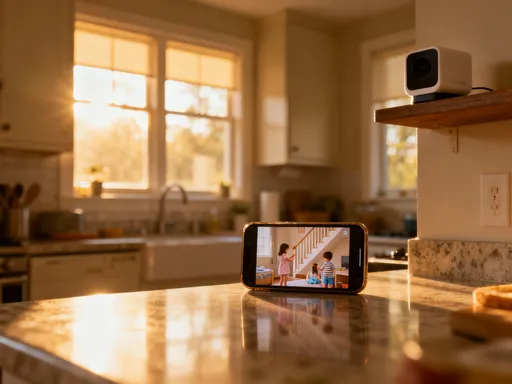
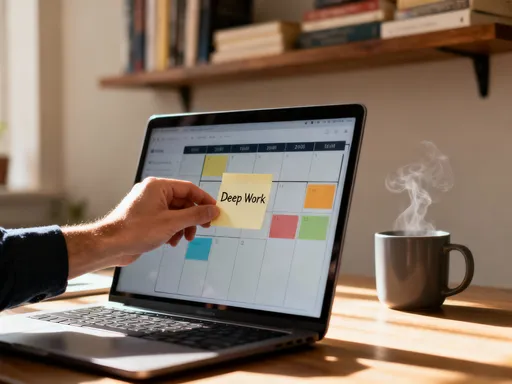
Once we got into the rhythm of using a shared calendar, it became the backbone of our week. Instead of guessing what the other was doing, we could see it at a glance. No more “Did you have a meeting?” texts at 8 a.m. No more showing up to school pickup when the other had already taken the kids. The calendar became our silent partner in parenting, in partnership, in peace. One of my favorite changes was how it helped us protect downtime. We both used to assume the other was “always busy,” so we never asked for quiet time. But when we started blocking out personal time—mine for reading, his for bike rides—we realized we weren’t competing for space. We were making room for each other.
I remember one Tuesday when my partner had a late meeting. In the past, I would have been frustrated, waiting to hear from him, unsure if I should start dinner. But this time, I just opened the calendar. There it was: “Client call – back by 7:30.” No text needed. No worry. I adjusted dinner, told the kids, and carried on. When he walked in, I wasn’t tense. I was calm. And he said, “Thanks for not texting me five times.” We both laughed, but it was true—there was less friction because there was less uncertainty. The calendar didn’t just show us our schedules. It gave us empathy. Seeing his packed day made me more patient. Seeing my blocked-off time for self-care made him more supportive. It wasn’t about control. It was about care. And the best part? Our kids started using it too. We added a color for each of them, and now they check it to see who’s picking them up or when their piano lesson is. It’s become a family tool, not just a couple’s tool. And that shift—from individual chaos to shared clarity—was everything.
Chores, Meals, and the Joy of Shared Responsibility
If the calendar brought order to our time, the task app brought peace to our home. Before, chores were this invisible weight I carried in my head. I’d notice the trash was full and think, “I should take it out.” But I’d also think, “But he’s tired. Maybe I’ll just do it.” And that kind of thinking—where one person silently absorbs the mental load—was slowly eroding my energy and our balance. The task app changed that. We started small: groceries, laundry, dishwasher duty. We’d assign them weekly, and the app would send a gentle reminder. No blame. No nagging. Just a little chime that said, “Hey, it’s your turn.” And honestly? It felt freeing. When he took out the trash without me asking, it wasn’t because I’d reminded him five times. It was because the system reminded him, and he stepped up. That made all the difference.
But the real game-changer was the meal planner. I used to dread dinner. Every night, the same question: “What’s for dinner?” And every night, the same stress of deciding, shopping, prepping. Then we started using a shared meal planner app. On Sunday nights, we’d sit together—sometimes with the kids—and pick meals for the week. We’d add recipes, check what we already had, and generate a grocery list. The kids loved voting on their favorites. “Can we have tacos again?” “I want spaghetti with extra cheese!” It became a little ritual, not a chore. And because we planned ahead, we ate better, wasted less, and actually enjoyed cooking. One of my favorite moments was when my partner surprised me by adding a new recipe he’d found—chicken curry with coconut milk. He cooked it himself, and when I came home, the table was set, the kids were helping, and the house smelled amazing. I didn’t just feel loved. I felt *seen*. He wasn’t just doing a chore. He was contributing to our life in a way that mattered. And that’s what these tools do—they don’t just organize tasks. They create space for love to show up in small, daily ways.
Creating Digital Rituals That Feel Human
What surprised me most wasn’t the efficiency—it was how these tools helped us create new rituals. We started having a 10-minute “weekly sync” every Sunday night. No laptops, no distractions. Just us, with our phones, reviewing the week ahead. We’d look at the calendar, adjust if needed, assign chores, and plan one fun thing—like a movie night or a walk in the park. It became our way of starting the week with intention, not reaction. And because it was short and simple, we actually stuck with it. But the sweetest ritual? Leaving little notes in the app. Sometimes it’s a grocery list: “Don’t forget almond milk <3.” Other times, it’s just a heart or a joke. Once, I found a note that said, “You looked beautiful this morning. P.S. I took the dog out.” It wasn’t a grand gesture. But it made my whole day.
These digital moments didn’t replace our conversations. They deepened them. Because we weren’t spending our time arguing about who forgot what, we had more space for real connection. We could talk about our dreams, our worries, our silly ideas. The apps didn’t take over our relationship. They protected it. They handled the logistics so we could focus on the love. And that’s the thing so many people miss: technology doesn’t have to be cold or impersonal. When used with care, it can actually make life more human. It can help us show up for each other, not just manage each other. These little digital habits became the quiet foundation of our days—the kind of thing no one sees, but everything depends on.
When Tech Fails—And Why That’s Okay
Of course, it hasn’t been perfect. There have been days when the app didn’t sync. Times when one of us forgot to check it. Once, we both assumed the other had bought toilet paper. Let’s just say the house ran out. And there was the time the calendar glitched and deleted a whole week of plans. Panic mode, for sure. But here’s what I’ve learned: the tools aren’t the point. The point is how we respond when they fail. Those moments taught us more than the smooth days ever did. When the app didn’t work, we fell back on old-school communication—quick calls, voice notes, even sticky notes on the fridge. And you know what? It was okay. Better than okay. It reminded us that we’re a team, not a system.
What mattered wasn’t the app’s perfection. It was our patience, our willingness to adapt, our ability to laugh when things went wrong. We stopped seeing tech as a fix-all and started seeing it as a helper—one that’s useful, but not infallible. And that mindset shift made all the difference. We weren’t dependent on the app. We were using it. And when it failed, we didn’t fall apart. We talked. We figured it out. We grew closer through the glitches. Because in the end, no app can replace the sound of your partner’s voice saying, “I’ve got this,” or the warmth of a hug after a long day. The tech supports the relationship. It doesn’t run it.
The Bigger Picture: Calmer Days, Closer Nights
Looking back, I can see how much has changed—not because we downloaded apps, but because we chose to align our lives with more care and less chaos. Our days are calmer. Our nights are richer. We have more time to sit together, to talk, to just *be*. We’re not perfect. We still have busy weeks and tired moments. But the constant undercurrent of stress? It’s quieter now. We’re not reacting to crises. We’re living with intention. And that has given us something priceless: presence.
I used to think love was in the big moments—birthdays, anniversaries, grand gestures. But now I see it in the small things: in a shared grocery list, in a calendar note, in the way we’ve learned to move through life together, step by step. These tools didn’t create our connection. They cleared the clutter so we could feel it more deeply. They gave us back time, energy, and peace—three things every busy family needs. And if you’re feeling overwhelmed, juggling a million things, wondering how to keep it all together—know this: you don’t have to do it all in your head. You don’t have to carry the weight alone. There’s no shame in using a little help. In fact, it might be the most loving thing you can do—for your family, for your partner, and for yourself. Because when your days are in sync, your heart has more room to connect. And that? That’s the real magic of modern life—not the tech, but what it lets us feel.