It’s Not Just a Hearing Check: How a Simple Tool at Dinner Changed How We Connect and Learn Together
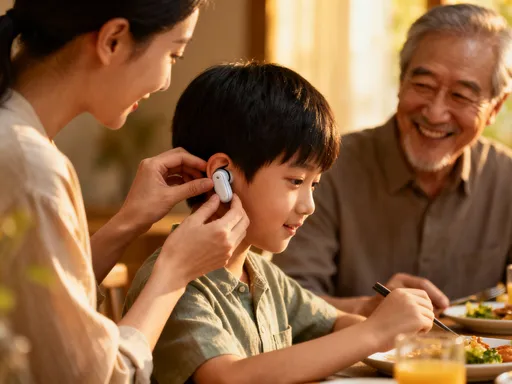
Family dinners used to be loud, chaotic, and full of little misunderstandings. We’d laugh, talk over each other, and think everything was fine—until we realized it wasn’t. One night, my daughter misunderstood a simple homework reminder because she didn’t hear the word “tomorrow” correctly. Another time, my father-in-law stayed quiet during a funny story, not because he wasn’t interested, but because he missed half the punchline. These moments kept happening, and we brushed them off—until they added up. Then we found a tiny tool that fit in our pocket, changed how we listen, and quietly transformed how we connect, learn, and care for each other. This isn’t about fixing hearing problems. It’s about protecting the moments that matter most.
The Moment We Noticed Something Was Off
It was a regular Tuesday night. The table was set, the food was warm, and the kids were arguing over who got the last roll. My son asked me twice what we were doing this weekend, even though I’d just said it. I repeated myself, louder this time, and he finally nodded. But later, I overheard him telling his sister we were going camping in the city—because he’d heard “camping” instead of “shopping.” We laughed it off, but deep down, I wondered: how often was this happening? Was he not listening, or just not hearing?
Then came the moment with Grandpa. We were sharing stories from the old days—something about a broken-down car and a thunderstorm—and everyone was laughing. Everyone except him. He smiled politely, but I could tell he was lost. When I leaned over and quietly repeated the joke, his face lit up. “Oh! That’s funny!” he said. But the moment had passed. I realized then that silence wasn’t disinterest. It was struggle. And it wasn’t just him. My youngest daughter often asked people to repeat themselves. My husband would turn the TV volume up just a little too high. These weren’t big red flags, but together, they painted a picture: we weren’t all hearing the same conversation, even when we were sitting at the same table.
That’s when it hit me—we talk all the time about how important family time is, but we rarely check if everyone can actually hear it. We assume listening is the same as hearing. But they’re not the same thing. And when someone misses words, tone, or emotion, they miss connection. We weren’t communicating poorly. We were hearing poorly. And that changed everything.
Discovering the Little Tool That Fits in Your Pocket
I first heard about at-home hearing checks from a friend during a coffee run. She mentioned she’d started using a simple app with her kids after dinner. “It takes five minutes,” she said. “No doctor’s visit, no stress. Just a little game with sounds.” I was skeptical. I thought, Isn’t hearing something you just… have? But her story stuck with me. Her son had been labeled “distracted” at school, but the app showed he wasn’t hearing certain high-pitched sounds clearly. A quick visit to the pediatrician confirmed it—earwax buildup. A simple cleaning, and suddenly, he was following along in class.
So I looked into it. These tools aren’t medical devices in the traditional sense. They’re not meant to replace a full audiology exam. But they’re designed to help families catch early signs of hearing differences in a way that’s easy, private, and low-pressure. Most are apps that run on a tablet or smartphone. You plug in a pair of headphones, press play, and listen for soft tones at different pitches. When you hear a sound, you tap the screen. That’s it. No needles, no scary machines, no white coats. Just you, your device, and a few minutes of quiet focus.
We tried it one night after dessert. I set up the tablet on the coffee table. “Who wants to play the listening game?” I asked, making it sound fun. My daughter jumped in first. Then my son. Then my husband. Even Grandpa gave it a try. No one felt tested. No one felt judged. It felt like a family activity—like checking the weather or looking up a recipe. And the results? They surprised us.
What We Found—and How It Changed the Conversation
The app gave us a simple report: a chart showing which tones each person could hear clearly and where there might be gaps. It wasn’t a diagnosis—just a snapshot. But it was enough to spark a real conversation. My daughter showed a slight dip in high-frequency hearing. That explained why she often missed soft consonants like “s” or “f”—words like “pass” and “past” sounded the same to her. Grandpa had trouble with mid-range tones, which made voices in noisy rooms blend together. My son was fine, but my husband showed a small loss in one ear—likely from years of mowing the lawn without ear protection.
We didn’t panic. Instead, we took the reports to our family doctor and, when needed, to an audiologist. What followed weren’t dramatic treatments, but small, thoughtful changes. My daughter’s pediatrician cleared some wax, and her hearing improved instantly. Grandpa got tips on positioning himself at the table—sitting with his better ear toward the group. We started turning off the kitchen fan during dinner so the background noise wouldn’t drown out voices. I began repeating important things with a gentle touch on the arm so I had their full attention.
But the biggest shift wasn’t technical—it was emotional. We stopped saying, “You’re not listening!” and started asking, “Did you hear that clearly?” That one change softened our tone, reduced frustration, and made space for patience. We realized that “not paying attention” often meant “can’t hear well right now.” And once we understood that, we could respond with care instead of criticism. Listening became an act of love, not a test of obedience.
From Hearing Better to Learning Better
What surprised me most was how much better my kids did in school once their hearing improved. It wasn’t just about hearing the teacher’s voice—it was about catching every word, every instruction, every nuance. My daughter used to read slowly, stumbling over words she’d never heard pronounced correctly. After her hearing cleared up, her reading speed and confidence soared. She started joining class discussions instead of staying quiet. Her teacher even commented on the change.
At home, homework time became less stressful. Before, I’d repeat directions three or four times. “Open your math book to page 32. Page 32. Three-two.” Now, I say it once, and she hears it. No eye-rolling. No “I didn’t know you said that!” The mental load on both of us dropped. And it wasn’t just academics. We started learning Spanish together using a language app. At first, she struggled with the quick, soft sounds. But after her hearing improved, she picked them up faster than I did.
Here’s what I learned: hearing isn’t just about sound. It’s the foundation of learning. Our brains process language through what we hear. If the input is fuzzy, the output is confused. Kids who can’t hear well may seem unfocused, but they’re actually working twice as hard to piece together what’s being said. By supporting their hearing, we’re not just helping them listen—we’re helping them think, understand, and grow. It’s like giving their brain a clearer signal so they can do their best work.
Making It a Family Ritual—No Pressure, Just Care
We’ve made the hearing check a monthly ritual—something we do on the first Sunday of every month after dinner. It’s not a big deal. It’s not a test. It’s just part of how we look after each other. I go first, so the kids see it’s nothing to fear. We keep the mood light. “Hear that little beep? Tap when you hear it!” I’ll say. My son calls it “the quiet game.” My daughter likes picking her favorite headphones. Grandpa jokes that he’s training his ears like a superhero.
The key is making it normal. We already check in about how school is going, what we’re excited about, or what’s stressing us out. This is just one more way to show we care. It sends a message: Your senses matter. Your experience matters. We want to make sure you’re not missing out. And because it’s regular, small changes don’t feel scary. If someone’s results shift a little, we don’t jump to conclusions—we just pay a little more attention and maybe plan a doctor’s visit.
What’s beautiful is how it’s brought us closer. We talk more openly about how we’re feeling—not just emotionally, but physically. My daughter now says, “I couldn’t hear you—can you say that again?” without shame. My husband reminds me to lower the music when we’re talking. These little moments of awareness build trust. They say, “I see you. I hear you. And I want to make sure you can hear me too.”
Why Dinner Time Works Best
You might wonder—why dinner? Why not the morning, or the weekend, or a doctor’s office? For us, dinner works because it’s already a time when we’re together, relaxed, and paying attention. The kitchen is warm, the food is good, and our minds aren’t racing with to-do lists. We’re present. That makes it the perfect moment to pause and check in—not just on our day, but on our senses.
Plus, we’re already using technology at the table. We look up facts, show photos from vacations, or play a quick trivia game. Adding a five-minute hearing check feels like a natural extension of that—not a medical interruption, but a meaningful use of the devices we already love. The kids don’t see it as “another test.” They see it as part of family time.
And because we’re all there, we can talk about the results right away. No waiting for a report. No confusion. If Grandpa’s chart shows a dip, we can ask, “Has anything felt harder to hear lately?” right then. If my daughter’s results are strong, we celebrate. “Your ears are rock stars tonight!” These conversations build awareness and connection in real time. Dinner isn’t just about feeding our bodies anymore. It’s about tuning our senses, too.
More Than Hearing—It’s About Staying Close
This little tool did more than improve our hearing. It improved our relationships. We argue less. We listen more. We assume less. When someone misses a word, we don’t get annoyed—we adjust. We’ve learned that communication isn’t just about speaking clearly. It’s about making sure the other person can hear you. And that requires both sides to care.
What started as a curiosity became a symbol of how much we value each other. It’s not about perfection. It’s about presence. It’s about saying, “I want to know what you’re hearing—because I care about what you experience.” In a world full of distractions, that kind of attention is rare. And powerful.
If you’ve ever felt like your family is talking but not connecting, I encourage you to try this. Not because someone has a problem. But because everyone deserves to be heard—truly heard. You don’t need expensive gear or a medical degree. Just a quiet moment, a device you already own, and a heart open to listening. Start small. Make it routine. Let it grow into a habit of care.
Your family talks every day. But are they really hearing each other? A simple tool can help you find out. And in that discovery, you might just find a deeper connection—one clear sound at a time.